
Jasins Pharmacy
A good travel checklist prepares you in stages. Research your destination’s health risks and entry rules six to eight weeks before you leave. Arrange vaccinations and any prescriptions early, pack a sensible medical kit in your hand luggage, and know how to manage common problems such as traveller’s diarrhoea. A travel health consultation at Jasins Pharmacy in Hounslow can confirm which vaccines and medicines apply to your trip.
Key Takeaways
- A travel checklist works best when you follow it in stages, starting with destination research at least six to eight weeks before you leave.
- Risk can vary within a single country, so check your full itinerary, including stopovers, rather than only the country name.
- Book your travel health consultation early, because some vaccines need a course of doses and some medicines must be started before departure.
- Some travel vaccines may be free through the NHS after a risk assessment, while others, such as yellow fever and rabies, are usually charged for.
- Pack important medicines in your hand luggage in their original packaging, with a prescription copy or medicine list to hand.
- Jasins Pharmacy in Hounslow can review your itinerary, arrange vaccinations, advise on antimalarial tablets, and help you pack medical essentials.
A travel checklist is one of the simplest ways to feel organised before you go away. It helps whether you are taking a short city break, visiting family overseas, or heading off on a long planned adventure. When you are busy booking flights, sorting accommodation, and planning itineraries, it is easy to overlook health essentials, important documents, and the practical items that make travel smoother. A clear checklist reduces last minute stress and lowers the risk of arriving without something important.
At Jasins Pharmacy in Hounslow, we support travellers who want to prepare properly and protect their health while abroad. Travel planning is not only about what to pack. It is also about understanding your destination, checking entry requirements, and making sure the right health protection is in place.
This guide follows the journey most travellers take, from the first bit of research to the final bag check. Each step builds on the one before. Work through them in order and you will reach your departure date organised and prepared.
Book now to arrange a travel health consultation at Jasins Pharmacy in Hounslow and start your preparation with expert advice.
Your Travel Checklist at a Glance
The stages below show the order in which most travellers tackle their health preparation. The rest of this guide covers each one in detail.
- Research your destination: Learn which health risks and entry rules apply to your trip.
- Sort documents and money: Check passports, insurance, and any health paperwork.
- Arrange vaccinations: Book early so courses can be completed before you leave.
- Pack medical essentials: Build a sensible travel health kit and pack it correctly.
- Prepare for common illness: Know how to handle minor problems and when to seek help.
- Complete final checks: Use a countdown plan so nothing is forgotten.
Step One: Research Your Destination
Good preparation starts with knowing what you are preparing for. Different parts of the world carry different health risks. A trip to a European city break needs very different planning from a trek through rural South Asia.
Begin at least six to eight weeks before you travel. Some vaccines need several doses. Some medicines need to be started well before departure. Early research gives you time to act on what you find.
What to Find Out
- Which infections are present at your destination, and whether malaria risk applies to the areas you will visit
- Whether any vaccine certificates are needed to enter the country
- How easy it is to access good healthcare if you become unwell
- Whether tap water and local food are generally safe
- The altitude, climate, and season during your stay
- Risks linked to your planned activities, such as trekking, water sports, or contact with animals
Use Reliable Sources
Stick to official guidance. The TravelHealthPro website, run by the National Travel Health Network and Centre, gives country by country health advice for UK travellers. The Foreign, Commonwealth and Development Office publishes entry requirements and safety information.
Pharmacists use these same sources when they plan your consultation. They can also explain what the guidance means for your particular trip, which can be hard to work out alone.
Look Beyond the Country Name
Risk often varies inside a single country. A city stay may carry less risk than a journey through rural or forested areas. The time of year matters too, because some diseases spread more easily in the wet season.
Think about your itinerary in detail. Note where you will stay, how long you will be away, and what you will do each day. Include stopovers, because some countries ask for proof of vaccination from travellers who have passed through a risk area. Gap year travellers who plan to visit several countries over many months often need a wider range of vaccines and medicines, so it pays to start planning as early as possible.
Consider Your Own Health
Your own health history shapes the advice you need. Long term conditions, pregnancy, a weakened immune system, and age can all affect which vaccines and medicines are suitable. Children and older adults often need tailored advice.
Travellers visiting friends and relatives deserve a special mention. They often stay in private homes in rural areas and eat local food, which can raise exposure to some infections. They are also the group most likely to skip pre-travel advice, so a consultation is especially worthwhile.
Step Two: Arrange Your Vaccinations
Travel vaccinations are a key part of any health checklist, particularly when you are visiting destinations where certain infections are more common. Vaccines can prevent serious illness. Some are also required by law for entry to specific countries.
Timing is the biggest practical challenge. Some vaccines need to be given weeks before departure, and some come as a course of doses. Booking early gives you the widest choice and the least stress.
When to Book
Aim to book a travel health consultation six to eight weeks before you leave. This is enough time for most courses to be completed. If your trip is closer than that, still book. Many vaccines offer useful protection even when given later, and your pharmacist can plan the best schedule for your dates.
What to Bring
Bring as much information as you can to your appointment. This helps your pharmacist give precise advice and avoid repeating vaccines you already have.
- Your full itinerary, including stopovers and planned activities
- Any records of past vaccinations
- A list of current medicines and known allergies
- Details of long term health conditions
- Your departure date, so timings can be planned backwards from it
Essential Travel Vaccinations
The table below gives an overview of common travel vaccinations and when they are often recommended. Individual recommendations vary based on destination, travel style, and medical history.
| Vaccine | Often Recommended For | Timing Guidance |
|---|---|---|
| Hepatitis A | Travel where food and water risk is higher | Ideally two to four weeks before travel |
| Hepatitis B | Longer stays or a higher chance of needing medical care abroad | Course takes several weeks; faster schedules exist |
| Typhoid | Higher risk destinations and longer stays | At least two weeks before travel |
| Yellow Fever | Certain countries in Africa and South America | At least ten days before travel |
| Rabies | Remote travel or animal exposure risk | Course over several weeks before travel |
| Japanese Encephalitis | Longer stays in rural parts of Asia | Course over several weeks before travel |
| Tetanus, Diphtheria, Polio | Routine protection and many travel plans | Booster may be needed depending on history |
| MMR | Anyone without two documented doses | Check records early so doses can be completed |
Timings are general guides. Your pharmacist will confirm the schedule that suits your travel dates.
NHS and Private Vaccines
Some travel vaccines may be provided free through the NHS after a risk assessment. These include cholera, hepatitis A, typhoid, and the combined diphtheria, tetanus, and polio vaccine. Whether you qualify depends on your destination and circumstances.
Other travel vaccines, such as yellow fever and rabies, are usually charged for. Private vaccination can also be quicker to arrange. Your pharmacist can explain which options apply to you.
The Yellow Fever Certificate
Yellow fever is the one travel vaccine with its own legal paperwork. Only registered centres can give the vaccine and issue the official certificate. Jasins Pharmacy in Hounslow is a registered centre.
A first certificate generally becomes valid ten days after vaccination. This means you should be vaccinated at least ten days before you arrive at a country that requires proof. Keep the certificate with your passport.
Check Your Routine Vaccines
Travel is a good moment to review routine vaccines. Measles outbreaks have been reported in several popular destinations, so check that you have had two doses of MMR. Make sure your tetanus, diphtheria, and polio protection is up to date as well.
Tetanus matters more than many people realise. Cuts and grazes abroad can carry a risk, and quality wound care may not be close by. A booster before you travel gives welcome peace of mind.
Children and Pregnancy
Children can have many travel vaccines, but age limits apply to some of them. Pregnancy also changes which vaccines are suitable, particularly live vaccines. If either applies to you, mention it when you book so enough time is set aside for a careful discussion.
Step Three: Arrange Your Medication
Medication planning often takes longer than people expect. Some medicines need a consultation first. Others need to be started before you leave or continued after you return. Start this stage at the same time as your vaccinations.
Malaria Prevention
There is no malaria vaccine for routine use by UK travellers. Protection relies on avoiding mosquito bites and, where recommended, taking antimalarial tablets. Whether tablets are advised depends on your destination, the local level of risk, and an individual assessment by a healthcare professional.
Three main medicines are prescribed in the UK. These are atovaquone with proguanil, doxycycline, and mefloquine. Each has a different schedule and different points to consider.
- Atovaquone with proguanil is taken daily, started one to two days before entering a risk area and continued for seven days after leaving
- Doxycycline is taken daily, started one to two days before travel and continued for four weeks after leaving
- Mefloquine is taken weekly, started two to three weeks before travel and continued for four weeks after leaving
Each medicine has its own side effects and suitability. Doxycycline can make skin more sensitive to sunlight. Mefloquine is not suitable for everyone, particularly people with certain mental health conditions or a history of seizures. A pharmacist will check which option suits you.
Complete the full course for the length of time advised after you return. Stopping early is a common mistake. No tablet gives complete protection, so bite avoidance remains important throughout your trip.
Altitude Sickness
If your trip involves high altitude, ask about altitude sickness before you go. A gradual ascent with rest days is the most important protection. Some travellers are also prescribed medication to help the body adjust. This needs a consultation, because it is not suitable for everyone.
Regular Prescriptions
Make sure you have enough of your regular medicines for the whole trip, plus a small extra supply in case of delays. Speak to your GP or pharmacist early. Limits on how far ahead you can order repeat prescriptions may apply.
Take a copy of your prescription or a printed medicine list. Include the generic name of each medicine, because brand names can differ between countries.
Medicines Subject to Rules
Some medicines are controlled, including certain strong painkillers and other prescribed drugs. Countries differ in what they allow. You may need a letter from your prescriber, and in some cases a licence.
Check the rules for your destination and any country you pass through. Do this well before you travel, because letters and licences can take time to arrange.
Standby Treatments
For long or remote trips, a clinician may discuss carrying treatment for problems such as severe traveller’s diarrhoea. These medicines should only be used as advised, so ask for clear instructions at your consultation.
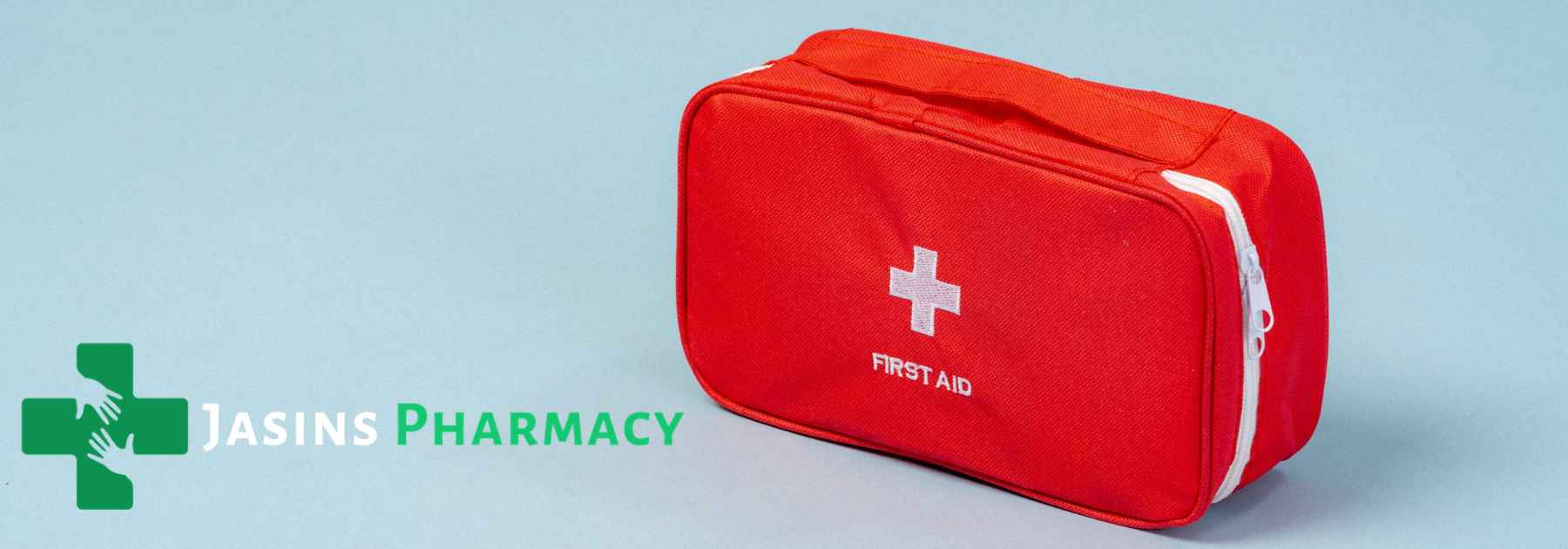
Step Four: Pack Medical Essentials
Health preparation is often the most overlooked part of travel planning, yet it can make the biggest difference to your trip. The basics include regular prescriptions, suitable over the counter medicines, and items that help you manage common problems such as upset stomach, bites, or sun exposure.
The Core Kit
- Enough prescription medication for the full trip, plus a small extra supply
- A copy of your prescription or a medicine list for travel
- Pain relief, antihistamines, and diarrhoea treatments if appropriate
- Plasters, antiseptic wipes, and basic first aid supplies
- Insect repellent and bite treatment where relevant
- Suncream and aftersun, especially for hot climates
- Hand sanitiser and rehydration sachets for extra reassurance
Useful Extras
- A digital thermometer
- Tweezers and small scissors
- Blister plasters for walking trips
- Water purification tablets where water safety is uncertain
- Motion sickness remedies if you are prone to travel sickness
- Any items specific to children, such as paediatric pain relief
Pack Medicines Safely
Keep important medicines in your hand luggage. This protects them if checked baggage is delayed. Carry them in the original packaging with the pharmacy label, so staff can see what they are.
Consider splitting essential supplies between hand luggage and your main bag. If one bag goes missing, you still have something to rely on. Check airline and airport rules for liquid medicines, and carry supporting documents if needed.
Protect Temperature Sensitive Items
Heat can damage some medicines. Do not leave them in a hot car, a sunny window, or a bag left in the sun. Some items, including insulin, need to stay cool. Use an insulated bag and ask your pharmacist about storage during travel.
Bite Protection Kit
In areas with mosquito-borne disease, protection starts with what you pack. Choose an effective insect repellent for exposed skin. Take lightweight long sleeved clothing and trousers. If your accommodation may not have screens or air conditioning, ask whether a mosquito net would help.
Step Five: Prepare for Common Illness
Even careful travellers sometimes become unwell. Most problems are minor and settle quickly. Knowing what to do in advance saves time and worry when you are far from home.
Traveller’s Diarrhoea
This is one of the most common travel illnesses. It is usually caused by food or water contaminated with germs. Washing hands regularly, choosing freshly cooked food, and drinking safe water all reduce the risk.
If it happens, the priority is fluids. Sip water often and use oral rehydration sachets. Eat light foods when you feel able. Rest as much as you can.
Some adults use anti-diarrhoeal medicines such as loperamide for short periods. Avoid them if there is blood in the stool or a high fever. They are not suitable for young children, so ask a pharmacist before using them.
Seek medical help if symptoms are severe or last more than a few days. Get help straight away if you see blood, have a high fever, or show signs of dehydration. Young children and older adults can become dehydrated quickly.
Sun and Heat
Sunburn and heat illness can spoil a trip. Use a high factor sunscreen and reapply it often. Wear a hat and sunglasses, and take shade in the middle of the day.
Drink plenty of water. Watch for headache, dizziness, nausea, and heavy sweating, because these can be early signs of heat exhaustion. Move somewhere cool, rest, and drink fluids. Some medicines, including doxycycline, increase sun sensitivity, so take extra care if you are using them.
Insect Bites and Stings
Bites are annoying and sometimes serious. Prevent them with repellent and suitable clothing. If you are bitten, wash the area and avoid scratching. An antihistamine or mild hydrocortisone cream can ease itching in suitable adults. If you find a tick on your skin, remove it as soon as possible with a proper tick removal tool rather than pulling it off with your fingers.
Watch for signs of infection, such as spreading redness, heat, swelling, or pus. See a healthcare professional if these appear. Seek urgent help for any swelling of the face or lips, or any difficulty breathing.
Motion Sickness
Planes, boats, coaches, and winding roads can all trigger travel sickness. Plan ahead rather than waiting for symptoms. Remedies work best when taken as directed before the journey starts.
Some can cause drowsiness. Ask a pharmacist which one suits you or your child. Fresh air, looking at the horizon, and eating lightly before travel can also help.
Cuts and Minor Injuries
Clean any wound with soap and clean water as soon as possible. Cover it with a dressing and keep it clean. Seek care if it becomes red, swollen, or painful, or if it is deep or dirty.
Wounds abroad can carry a risk of tetanus. Checking that your tetanus protection is current before you travel is a simple way to reduce that worry.
Animal Bites and Scratches
Any bite or scratch from an animal abroad needs urgent medical attention. This applies even if you have been vaccinated against rabies. Wash the wound thoroughly with soap and running water for several minutes straight away. Then seek medical help as soon as you can.
Long Journeys and Jet Lag
On long flights, move around when you can, drink water, and avoid sitting in one position for hours. People with a history of blood clots or other risk factors should ask for advice before flying.
Jet lag usually settles within a few days. Get daylight at your destination, keep to local mealtimes, and avoid heavy alcohol on the flight.
When to Seek Urgent Help
Seek urgent medical advice for a high fever, severe vomiting or diarrhoea, confusion, difficulty breathing, or any animal bite. A fever after returning from a malaria risk area is always urgent, even weeks or months after your trip. Tell the healthcare team where you have been.
Travel Checklist for Documents and Money
Many travel problems start with missing documents or payment issues. It is worth checking these early rather than the night before you fly. Paper copies and digital backups can also help if items are lost or stolen.
- Passport with sufficient validity for your destination
- Visa or entry documentation if required
- Travel insurance documents and emergency contact details
- Flight, accommodation, and transfer confirmations
- Bank cards, cash, and a plan for accessing money abroad
- Vaccination certificates, such as a yellow fever certificate, where required
- A letter or medicine list for any prescribed medication
- Digital copies of key documents stored securely
The Importance of Insurance
Check that your travel insurance covers medical treatment and repatriation. Declare any existing health conditions honestly, because a policy that excludes them may not pay out when you need it.
A Global Health Insurance Card may give access to state healthcare in some countries. It does not replace travel insurance, and it does not cover costs such as repatriation.
Know Where to Get Help
Before you leave, find out the local emergency number for your destination. Note the address of a reliable hospital or clinic near where you will stay. Save your insurer’s emergency helpline in your phone and keep a written copy. Knowing this in advance makes a stressful situation much easier to handle.
Check Entry Requirements Early
Entry rules can include certificates, visas, and health declarations. Some can take weeks to arrange. If you are unsure whether your destination has specific vaccine requirements, contact us to discuss your plans and get clear guidance.
Every destination carries different health risks, so it helps to see what applies to your trip before you go any further. Enter your destination below for a quick overview of the travel vaccines commonly recommended, then book a consultation with our team at Jasins Pharmacy in Hounslow for personalised advice tailored to your plans:
If you are unsure whether your destination has specific vaccine or entry requirements, contact us to discuss your plans and get clear guidance at a travel consultation.

Packing and Practical Items
Packing is easier when you think in categories rather than trying to remember everything at once. Consider your destination climate, the activities you have planned, and whether you need any specialist items. Comfort also matters, especially on longer journeys, where dehydration, poor sleep, or discomfort can make the first days harder than they need to be.
- Appropriate clothing for weather and local customs
- Comfortable walking shoes and spare footwear
- Chargers, adaptors, and a portable power bank
- Reusable water bottle and travel snacks if needed
- Travel pillow, eye mask, and earplugs for flights
- Small day bag for excursions and essentials
Call us to discuss your destination, itinerary, and vaccination needs, so you can travel with the right protection in place.
The Final Countdown
A timeline helps you spread tasks across the weeks before departure. Use the plan below and adjust it to your own dates.
Six to Eight Weeks Before
Research your destination, check your passport, and confirm entry rules. Book your travel health consultation and arrange insurance.
Four to Six Weeks Before
Start any vaccine courses and arrange prescriptions. Ask your GP or pharmacist about extra supplies of regular medicines.
Two Weeks Before
Collect antimalarials and any other new medicines. Begin tablets that need a long lead time, such as mefloquine, if prescribed. Check that typhoid and hepatitis A vaccines have been given.
One Week Before
Pack your medical kit and medicines. Print copies of documents, prescriptions, and certificates. Check entry rules again in case anything has changed.
The Day Before
Put important medicines and documents in your hand luggage. Check that your yellow fever certificate, if needed, is with your passport. Charge your devices and set out your travel outfit.
After You Return
Your health preparation does not end when you land at home. If you were prescribed antimalarial tablets, keep taking them for the full period advised after leaving the risk area.
Seek medical advice if you become unwell, especially with a fever. Always mention your travel history. If you need further doses of a vaccine, book them so your course is completed.

Frequently Asked Questions
Here are the travel health questions our team at Jasins Pharmacy in Hounslow is asked most often by people getting ready for a trip.
How far in advance should I start preparing for my trip?
Aim to start six to eight weeks before you leave, because some vaccines need several doses and some medicines must be started early. If your trip is closer than that, a consultation is still worthwhile so your pharmacist can plan the best schedule for your dates.
Which travel vaccines may be free on the NHS?
Cholera, hepatitis A, typhoid, and the combined diphtheria, tetanus, and polio vaccine may be provided free through the NHS after a risk assessment. Other travel vaccines, such as yellow fever and rabies, are usually charged for.
Do I need antimalarial tablets for my trip?
This depends on your destination, the local level of malaria risk, and an individual assessment by a healthcare professional. Not every destination requires tablets, so a travel health consultation will confirm what applies to your itinerary.
Can I carry my medicines in my hand luggage?
Yes, and it is sensible to keep important medicines in your hand luggage in their original packaging, with a prescription copy or medicine list. Check airline rules for liquid medicines and your destination’s rules for any controlled medicines.
What should I include in a travel first aid kit?
A good basic travel first aid kit includes pain relief, antihistamines, rehydration sachets, plasters, antiseptic wipes, insect repellent, suncream, and your regular medicines. A thermometer, tweezers, and items for children can be added where relevant.
What should I do if I become unwell abroad or after I return?
Seek medical help promptly for a high fever, severe vomiting or diarrhoea, or any animal bite, and always mention your travel history. A fever after returning from a malaria risk area is urgent, even weeks or months after your trip.
Travel Health Advice in Hounslow
Good preparation turns a stressful scramble into a calm departure. Researching risks, arranging vaccinations, collecting medication, and packing sensibly each take a little time. Together they protect both your health and your holiday.
Jasins Pharmacy in Hounslow can support every health step in this checklist. Our travel health team can review your itinerary, give vaccinations, advise on antimalarial tablets, and help you pack medical essentials sensibly. Book now to arrange a travel health consultation at Jasins Pharmacy in Hounslow and discuss the right vaccinations and travel health essentials for your destination.

Disclaimer: The information in this blog post is for general information only and does not replace medical advice. Always speak to a qualified medical professional, pharmacist, or GP before starting any vaccination or treatment.
