
Jasins Pharmacy
Whether you need the yellow fever vaccination comes down to your route and destination. Some countries ask to see an official certificate at the border, while others do not require one but still carry a risk in forested or rural areas. One injection protects most healthy adults, and a first certificate becomes valid ten days after vaccination, after which it lasts for life. Because the vaccine is live, a pharmacist checks your suitability first. Jasins Pharmacy in Hounslow can give the vaccine and issue your certificate.
Key Takeaways
- Some countries require proof of vaccination for entry, so the answer depends on your route and destination.
- Other destinations recommend vaccination because mosquito-borne infection is a genuine risk, even when no certificate is checked.
- Your certificate becomes valid ten days after vaccination, so book well before you fly.
- A single dose protects most healthy adults, and the certificate is then valid for life.
- The vaccine is a live vaccine, so it is not suitable for everyone and needs a pre-vaccination check.
- Jasins Pharmacy in Hounslow is a registered yellow fever centre and can issue your official certificate.
You may well need the yellow fever vaccination, depending on where you are travelling. Some countries will refuse entry without a valid certificate, even if you feel perfectly healthy. Other destinations simply carry a real risk of infection, and vaccination is the best protection available. A single dose is enough for most healthy travellers. At Jasins Pharmacy in Hounslow, our travel health team can check your itinerary and tell you exactly what applies to your trip.
The Yellow Fever Virus
Yellow fever is a viral infection spread by mosquitoes. It is found in parts of Africa and South America. The name comes from the yellowing of the skin and eyes that can occur in severe cases.
A large number of those who catch the virus experience nothing more than a mild illness. Some develop a serious form that affects the liver, kidneys, and other organs. There is no specific cure. Doctors can only support the body while it fights the virus.
This is why prevention matters so much. Vaccination is the most reliable way to avoid the illness. It is far easier to prevent yellow fever than to treat it in an unfamiliar healthcare system abroad.
How Yellow Fever Spreads
The virus passes to people through the bite of an infected mosquito. These mosquitoes bite mainly during the day. This makes daytime protection important. Yellow fever does not spread directly from one person to another through casual contact.
In forests, the virus circulates between monkeys and mosquitoes. People who enter these areas can be bitten and infected. In towns and cities, mosquitoes can then spread the virus between people. This is how larger outbreaks begin.
Travellers may be exposed on safaris, treks, river trips, and city stays alike. An unvaccinated traveller has no natural defence. Previous trips without illness do not provide protection. Each journey to a risk area carries a fresh chance of exposure.
Yellow Fever Symptoms
Symptoms usually begin a few days after a bite. Early signs can look like many other travel illnesses. After this first stage, many people start to feel better.
- Fever and chills
- Headache and muscle aches
- Back pain
- Nausea and vomiting
- Tiredness and loss of appetite
A smaller group then enter a second and more serious stage. The fever returns and the skin and eyes turn yellow. Bleeding and organ failure can follow. This stage can be life threatening.
Anyone who becomes unwell during or after travel should seek urgent medical help. Always mention where you have been. This helps doctors consider the right diagnosis quickly.

Who Needs Yellow Fever Vaccination?
The answer depends on three things. These are your destination, your route, and the activities you plan. Your pharmacist will review each of these with you.
Countries With Entry Rules
Some countries ask arrivals to show a valid yellow fever certificate. This is a legal requirement and border staff can enforce it. Travellers without the certificate may be refused entry, placed in quarantine, or vaccinated at the border. None of these outcomes is welcome after a long journey.
Countries Where It Is Recommended
Other countries do not demand a certificate but still carry a real risk. Vaccination is recommended for visits to these areas. The risk can vary within a country. A city stay may carry less risk than a jungle trek. Your pharmacist will check current guidance for the exact places you plan to visit.
Transit and Onward Travel
Your route matters as much as your destination. Some countries require a certificate if you have recently been in a risk country. A stopover can trigger this rule. Check every country on your itinerary, including connecting flights.
Yellow Fever Entry Rules
The table below shows common travel situations and the action that usually follows. It is a guide only. Your pharmacist will confirm what applies to your trip.
| Travel Situation | What May Apply | Suggested Action |
|---|---|---|
| Travelling to a country with an entry rule | Certificate may be checked at the border | Be vaccinated at least ten days before travel |
| Visiting a risk area with no entry rule | Vaccination recommended for your protection | Discuss your itinerary with a pharmacist |
| Stopover in a risk country | Onward country may ask for proof | Check the rules for every country on your route |
| Travelling to a country with no risk | Vaccination not usually needed | Confirm with a travel health check |
| Unable to be vaccinated for medical reasons | Exemption letter may be possible | Seek advice well before travel |
| Baby under nine months of age | Vaccine not normally given | Seek specialist advice before planning travel |
Rules can change. Always confirm current guidance for your destination before you travel.
High-Risk Destinations
Yellow fever rules or recommendations apply to many well-known holiday and business destinations. The regions below come up most often in our appointments.
- Parts of West and Central Africa, where entry rules are common
- East Africa, including areas visited on safari, where advice varies by country
- The Amazon region and other forested areas of South America
- Countries that ask for proof from travellers who have recently visited a risk country
Rules change over time. Always confirm current guidance before you book flights.
Yellow Fever and Your Travel Plans
Safari trips bring long days outdoors in areas where mosquitoes are active. Trekking and river journeys take travellers deep into forested regions. Overland routes often cross several borders, and each border may have its own rules.
Business travellers can be caught out too. A short trip to a country with an entry rule still requires a valid certificate. Families visiting relatives abroad often stay in rural areas and should check the guidance early.
Cruise passengers and tour groups should also check their itinerary. A single port call in a risk country can affect the paperwork needed on arrival at the next stop.
Contact us to book a consultation with our travel health team and check your yellow fever requirements before you finalise your itinerary.
Travelling With Family
Family trips need extra planning. Each person travelling needs their own certificate if the destination requires one. Parents should check the rules for every child in the group well before departure.
Younger babies cannot normally be vaccinated, so travel to a risk area needs careful thought. Older children can usually be vaccinated after a suitability check. Grandparents and older relatives may need an individual risk review first.
Book appointments for the whole family at the same visit where possible. This keeps the ten day timing the same for everyone and saves repeat trips to the pharmacy.
How the Yellow Fever Vaccine Works
The yellow fever vaccine contains a weakened live form of the virus. It teaches the immune system to recognise yellow fever. In healthy people it does not cause the full illness.
Protection builds over the days after the injection. This is why timing matters so much. For most healthy travellers, a single dose is enough.
Your Yellow Fever Certificate
After vaccination you receive an official certificate, known as the ICVP. It is often called the yellow card. Only registered centres can issue it. A letter from a GP cannot replace it.
The certificate is issued on the day of your appointment. It becomes valid ten days after vaccination. If you arrive before that point, it may not be accepted at the border.
Once valid, the certificate lasts for life in most healthy adults. A few people may need a further dose. Examples include some people who were pregnant or had a weakened immune system when vaccinated. Your pharmacist will advise whether this applies to you.
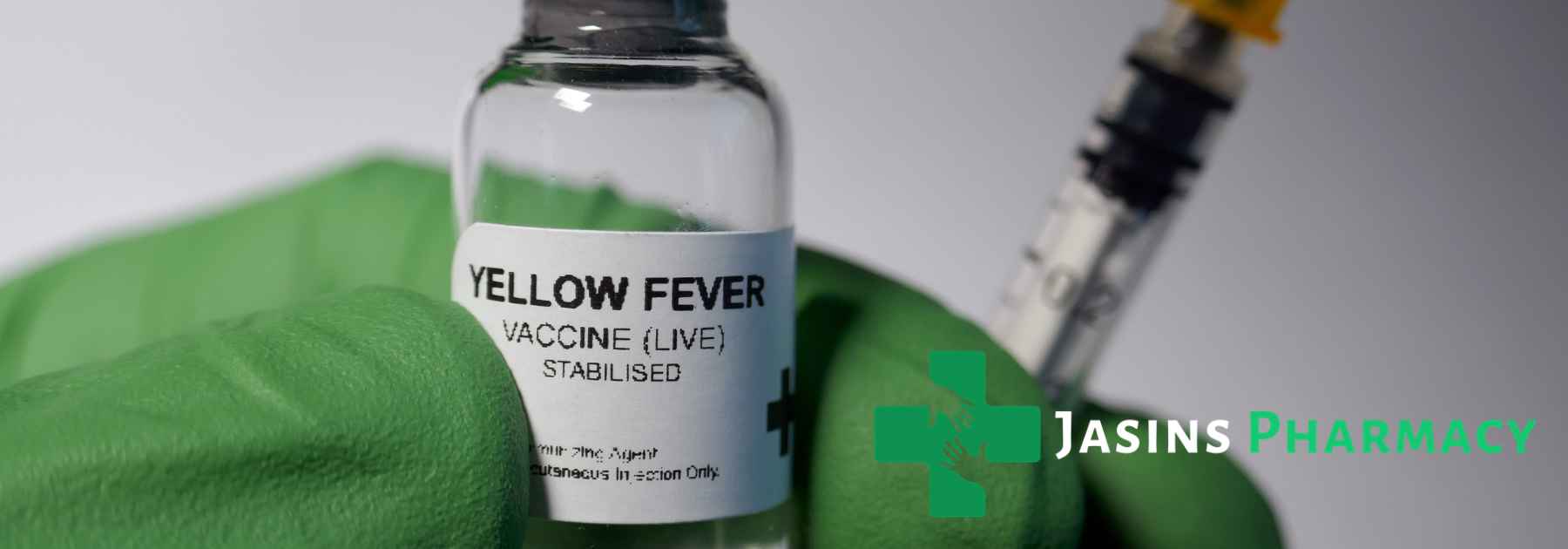
The Importance of a Registered Yellow Fever Vaccination Centre
Yellow fever vaccination is controlled more tightly than most travel vaccines. Only designated centres can give it and issue the official certificate. This protects travellers from invalid paperwork.
A registered centre also carries out the safety checks the live vaccine needs. Staff are trained to spot who may be unsuitable. They can also advise on exemption letters when vaccination is not possible.
Jasins Pharmacy in Hounslow is a registered yellow fever centre. You can have your consultation, vaccination, and certificate all in one place.
Keeping Your Documents Safe
Treat your certificate like a passport. Keep it with your travel documents and carry it in your hand luggage. Border staff may ask to see it at any point on your journey.
Take a photograph or photocopy as a backup. Check that your name matches your passport exactly. Small spelling differences can cause delays at the border.
Who Cannot Have the Yellow Fever Vaccine
Because the vaccine is live, it is not suitable for everyone. A pre-vaccination check is therefore essential.
- Babies under nine months of age
- People with a weakened immune system, including from some medicines or treatments
- People with a history of thymus gland problems or thymus removal
- Anyone with a severe allergy to a vaccine ingredient, including egg protein
- Pregnant or breastfeeding women, unless travel to a risk area cannot be avoided
Older adults need an individual risk review. Vaccination may still be advised after careful discussion. If you cannot be vaccinated, a medical exemption letter may help. Acceptance depends on the country, so seek advice early.
Possible Side Effects
Most people have only mild effects. These include soreness at the injection site, headache, muscle aches, and a low fever. They usually settle within a few days without treatment.
Rare but serious reactions can affect the organs or the nervous system. They are the reason a pre-vaccination check is required. Seek urgent medical help if you feel very unwell after vaccination.
Yellow Fever Vaccination Myths
“I feel healthy so I will be fine.”
Entry rules apply whatever your health. A fit traveller can still be turned away without a certificate.
“I will only be in a city.”
Cities can still appear on entry rule lists. Your route and connections matter as well as your final stop.
“I can sort it out at the airport.”
This is a risky plan. The certificate only becomes valid ten days after vaccination, so last minute arrangements often fail.
“I have travelled before without a problem.”
Past trips give no protection. Rules and risks change, and each journey needs a fresh check.
What Happens at Your Yellow Fever Vaccine Consultation
Your appointment begins with a conversation about your trip. The pharmacist asks where you are going, how you will travel, and what you plan to do. This confirms whether the vaccine is needed.
Next comes a check of your health history. This covers medicines, allergies, and any past reactions to vaccines. It ensures the live vaccine is safe for you.
If you are suitable, the vaccine is given as a single injection. Your certificate is completed and handed to you on the day. You also receive advice on side effects, timing, and protecting yourself from bites.
Timing Your Booking
Plan ahead so that your certificate is valid when you arrive. Remember the ten day rule. Booking several weeks before departure leaves a comfortable margin.
Early booking also gives time for other vaccines. Travellers heading to risk areas often need typhoid vaccination and malaria advice as well. If your trip is close, still book. Partial planning is better than none.
Mosquito Bite Prevention
Vaccination protects against yellow fever only. Mosquitoes can carry other infections. Sensible bite avoidance is therefore part of every trip to a risk area.
- Use insect repellent on all exposed skin
- Wear long sleeves and trousers, especially in forested areas
- Choose accommodation with screens or air conditioning
- Protect yourself during the day as well as the evening
Where malaria is also present, ask about anti-malaria tablets. Yellow fever vaccination offers no protection against malaria.
Call us to book a travel health consultation and pair your bite protection with the right vaccinations.

Frequently Asked Questions
Here are the yellow fever vaccination questions our team at Jasins Pharmacy in Hounslow hears most often from travellers.
Is yellow fever vaccination free on the NHS?
Yellow fever vaccination is only given at registered centres and is generally charged for. Our team can explain the cost during your consultation.
Do I need a booster dose?
For most healthy people a single dose gives protection and the certificate is valid for life. A few groups may need a further dose, so tell your pharmacist about your health history.
Can I have the vaccination if I am pregnant?
The vaccine is live, so it is normally avoided in pregnancy unless travel to a risk area cannot be avoided. Speak to a healthcare professional well before your trip.
How soon before travel should I be vaccinated?
Have the vaccination at least ten days before you travel so your certificate is valid on arrival. Booking several weeks ahead leaves time for any other vaccines you need.
Can children have the vaccination?
Children from nine months of age can usually be vaccinated after a suitability check. Our pharmacists will advise on the right approach for your child.
What if I lose my certificate?
Contact the centre that vaccinated you as soon as possible, because they keep a record of your vaccination. Ask about replacement options well before you travel.
Yellow Fever Protection Before Travel
Not every trip requires yellow fever vaccination, as it depends on your route and destination, so it is always wise to check early. Entry rules can be strictly enforced, and the illness itself can be severe. A single visit before travel removes both worries for most healthy people.
Jasins Pharmacy in Hounslow is a registered yellow fever centre. Our travel health team can review your plans, give the vaccine if it is suitable, and issue your certificate. Appointments are available with no GP referral required. Book now to make sure your paperwork and protection are ready before departure.

Disclaimer: The information in this blog post is for general information only and does not replace medical advice. Always speak to a qualified medical professional, pharmacist, or GP before starting any vaccination or treatment.
